

SoD26 & FoD26: Two Paths, One Conversation
Each year, we host a community project, called The State of Design, to take the pulse of our discipline.
Reflecting on the last two years of State of Design (SoD), we realized something critical: our conversations often get caught in a tension between what is (the messy reality of our industry) and what could be (the systemic shifts we hope for). When we try to do both at once, we often dilute the power of the critique or the boldness of the vision.
Therefore, we are opening two separate calls for participation:
- The State of Design (SoD26): If you want to analyze, critique, or discuss the current state of the design industry, this track is for you. Contributions will be compiled into our SoD26 collection.
- The Future of Design (FoD26): If you prefer to experiment and build prototypes that speculate on the future of design, join this track. Contributions will form our FoD26 inventory.
We cannot build a meaningful future if we ignore the broken parts of the present. Conversely, we cannot fix the present if we don’t know where we’re trying to go. By separating these "faces of the coin," we give ourselves permission to be deeply critical in one space and wildly imaginative in the other.
How to Join
You can register for the track that suits you best—or tackle both! The project concludes in late February with a live convergence session where participants from both tracks will come together to share insights with the community.
Join Track 1: The State of Design (SoD26)
Join Track 2: The Future of Design (FoD26)
Continue reading or register here:
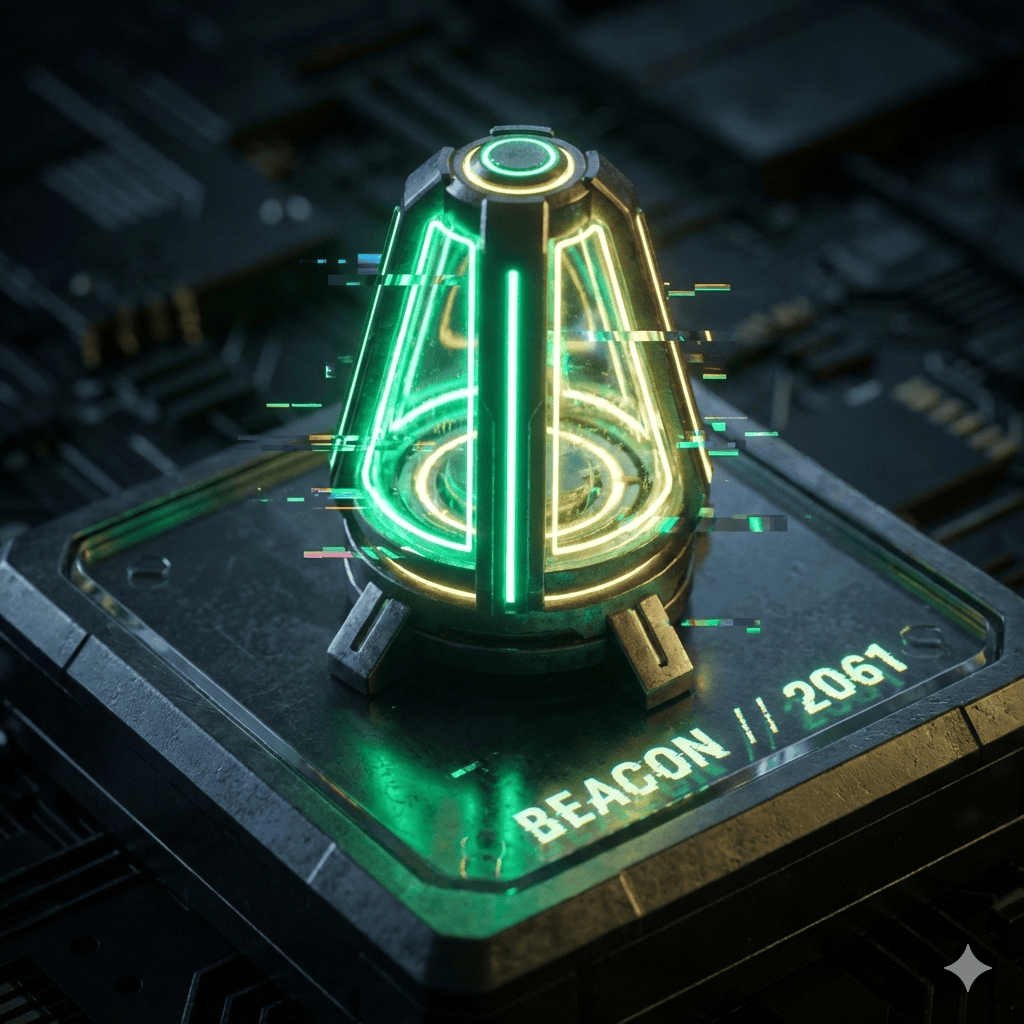
If the State of Design 2026 (SoD26, The Anchor) is about debugging our broken present, then The Future of Design 2026 (FoD26, The Sail) is about compiling the code for what comes next.
We are not interested in trend reports, "Top 10 Tools" lists, or linear extrapolations of today's tech. We are looking for discontinuities. We are looking for the "weak signals"—the glitches in the present reality that hint at a completely new operating system for our world.
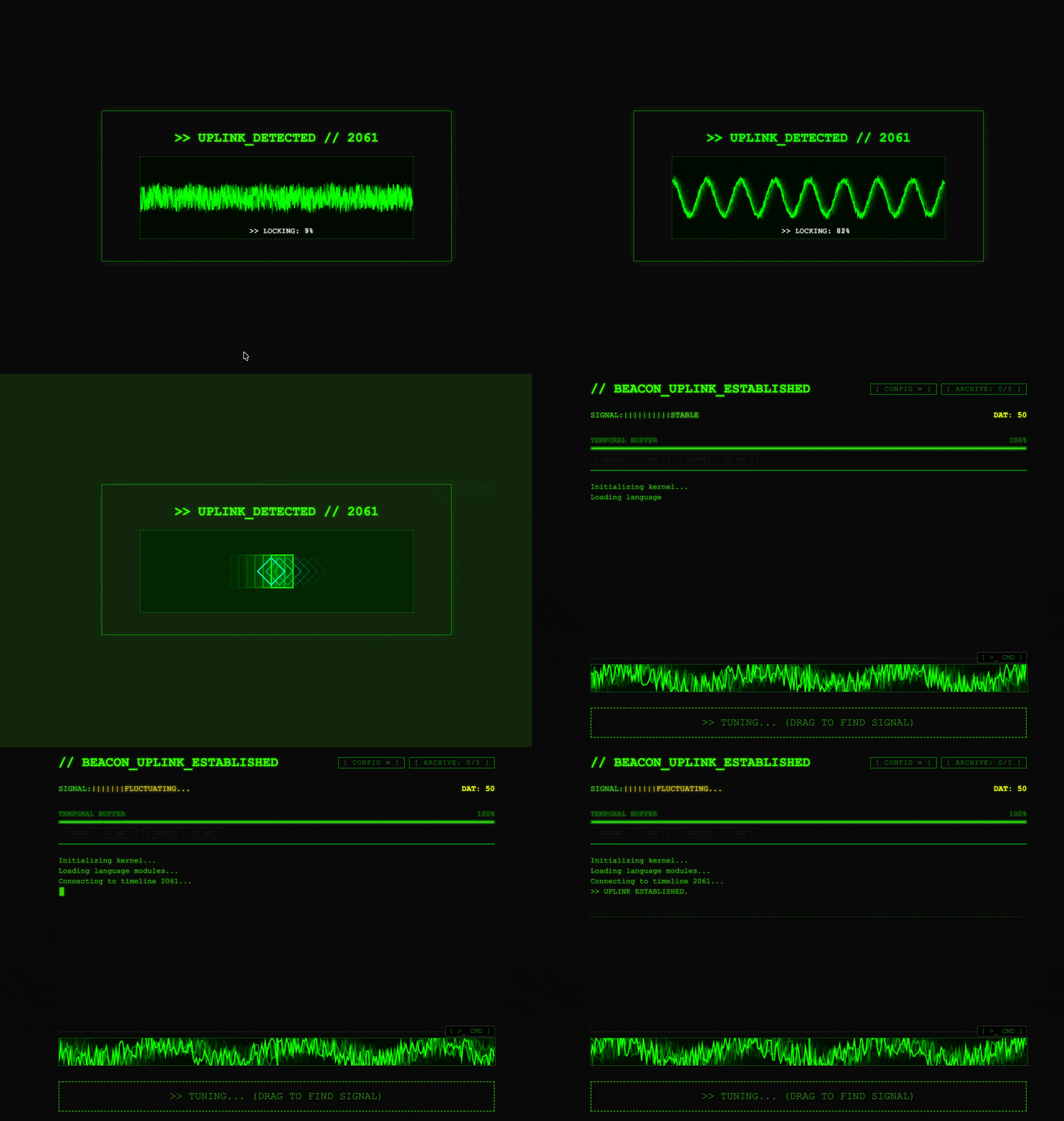
This year, we are doing something different. We have intercepted a signal.

The Experiment: A Leak from 2061
The community has just intercepted a corrupted data stream originating from a probable future timeline. It speaks of a world where design is no longer about "users" and "products," but about entanglements, rituals, and inter-species governance.
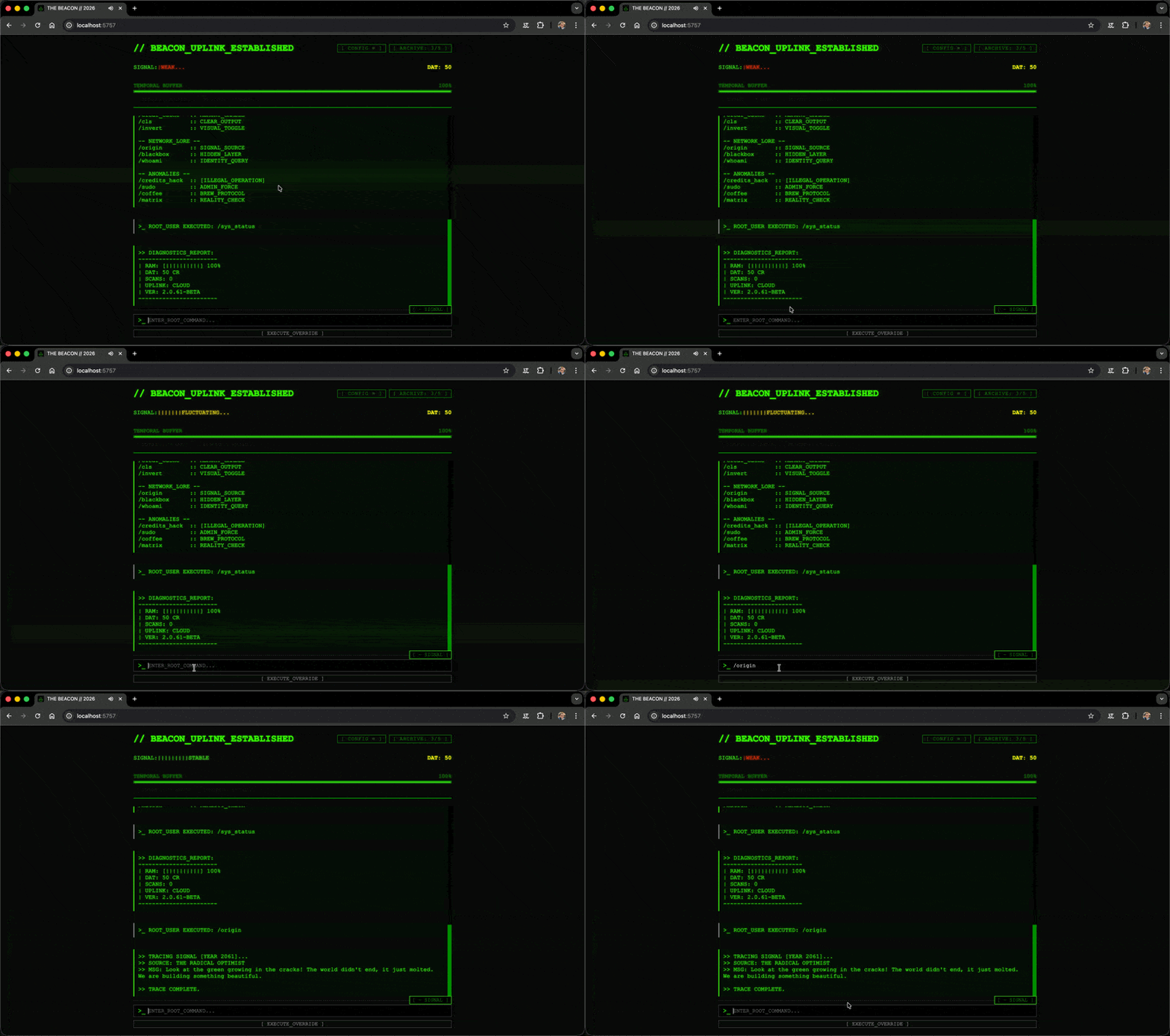
To frame this year's experimentation track, we have built a Temporal Signal Beacon. It is a research probe disguised as a CLI terminal. It allows you to intercept “Shards” and “Map Fragments” of information from unstable future timelines, synthesize them, and map the topology of a future we haven't built yet.
The Themes: Weak Signals
We are asking you to explore three specific "frequencies" that keep appearing in the data stream. These are not predictions; they are prompts for prototyping.
1. Synthetic Realities & The New Materialism
The signal suggests:
"Design is not just objects; it is embodied philosophy."
As the line between the organic and the synthetic dissolves, how do we design for "Bio-Synthetic" convergence? When algorithms have agency and objects have memory, the role of the designer shifts from "creator" to "gardener."
- The Prompt: Prototype an object that grows, dies, or refuses to function when treated unethically. Design a "Data Ritual" for a synthetic intelligence.
2. More-than-Human Governance
The signal suggests:
"Rivers and forests now have legal personhood and a vote in the Design Senate."
We have hit the limits of human-centered design. The next paradigm is Planetary. How do we build interfaces that allow non-human actors (forests, AIs, future generations) to participate in decision-making?
- The Prompt: Create a "Voting Interface" for a river. Draft a constitution for a cooperative owned by the software itself.
3. Post-Efficiency & The Slow Web
The signal suggests:
"Efficiency is no longer the goal. Friction is the feature."
In a world of instant generation, "slowness" becomes a luxury asset. The future points toward "Slow Materials" and interfaces that resist doom-scrolling by having digital "mass."
- The Prompt: Design a social network that forces you to wait. Create a "Haptic Ethics" framework where difficult choices require physical effort to execute.
How to Participate
The Process: "Mine, Synthesize, Create"
We encourage you to use the Signal Beacon as your starting point.
- Intercept: Use the Signal Beacon to scan for "Shards" and "Map Fragments."
- Synthesize: Use the tool's "Merge" feature to combine two discordant ideas into a "Master Shard" (e.g., combining Algorithmic Governance with Ritual Design).
- Prototyping: Take the resulting "Master Shard" and treat it as a design brief. Build the thing it describes.
Submission Formats
We are looking for contributions in the following formats:
- Visual Artifacts: High-fidelity renders of impossible/unstable/undecided objects from 2061.
- Diegetic Prototypes: A user manual or an interactive prototype for a device, object, process that doesn't exist yet.
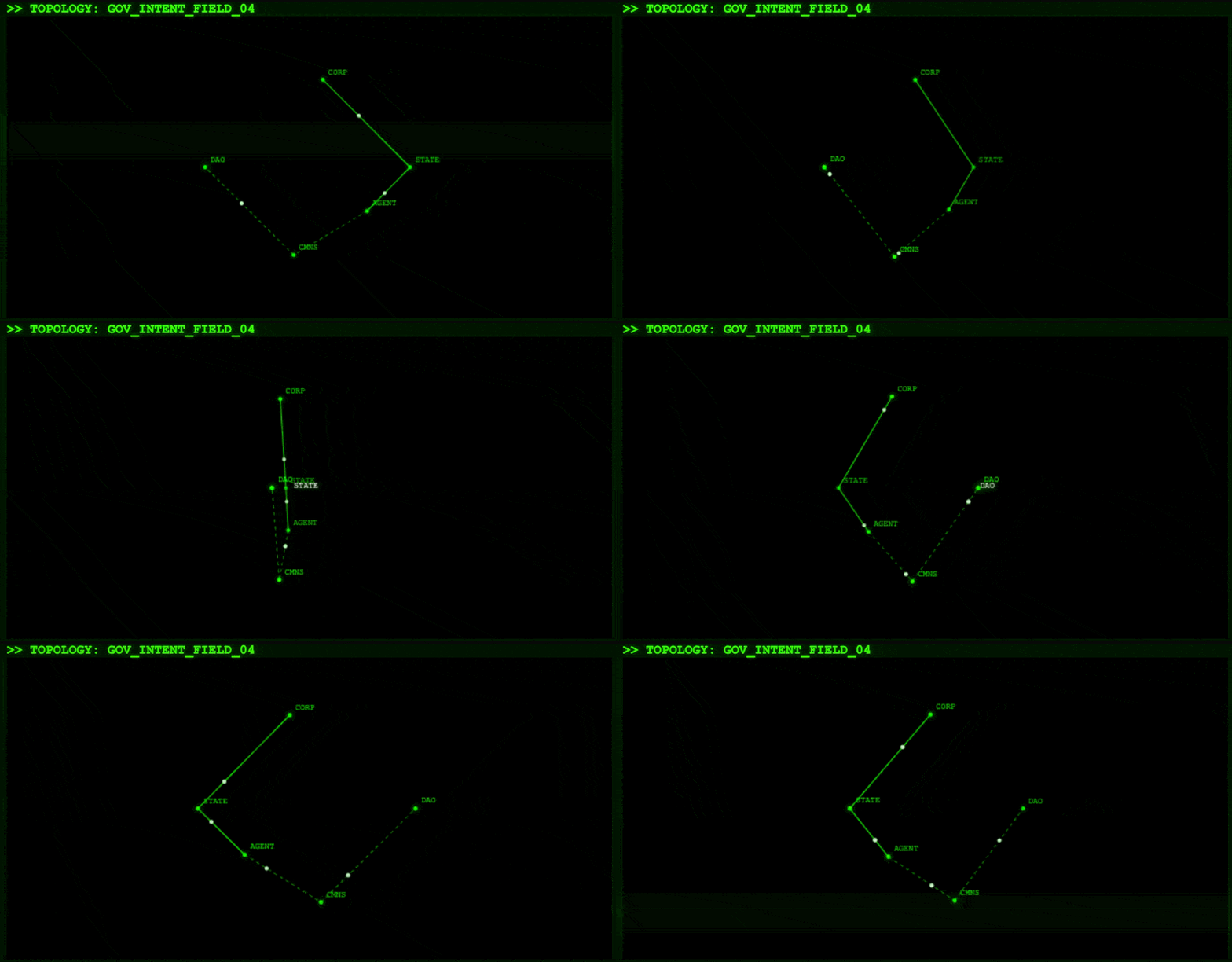
- Speculative Maps: Cartographies of future data-landscapes (inspired by the Beacon's vector maps).
- Other Artifacts of possible futures are allowed. Be creative. Be unconventional. We are looking for discontinuities.
Also, you can export shards and fragments
"Master Shard" Exports: The direct output image from the Signal Beacon tool, accompanied by a 300-word commentary on what this future implies.
Timeline & Selection
- Open Call: Now until February 13th, 2026 🎯 (register using the button below).
- Submission deadline: February 20th, 2026 📆.
- The Sprint:
- During the week of February 23rd to February 27th, submitted work will be published here, on the community website.
- On February 27th, will hold a community live event (online, TBD) to celebrate and discuss both tracks (SoD26 and FoD26) collections.
A Note on the "Glitch"
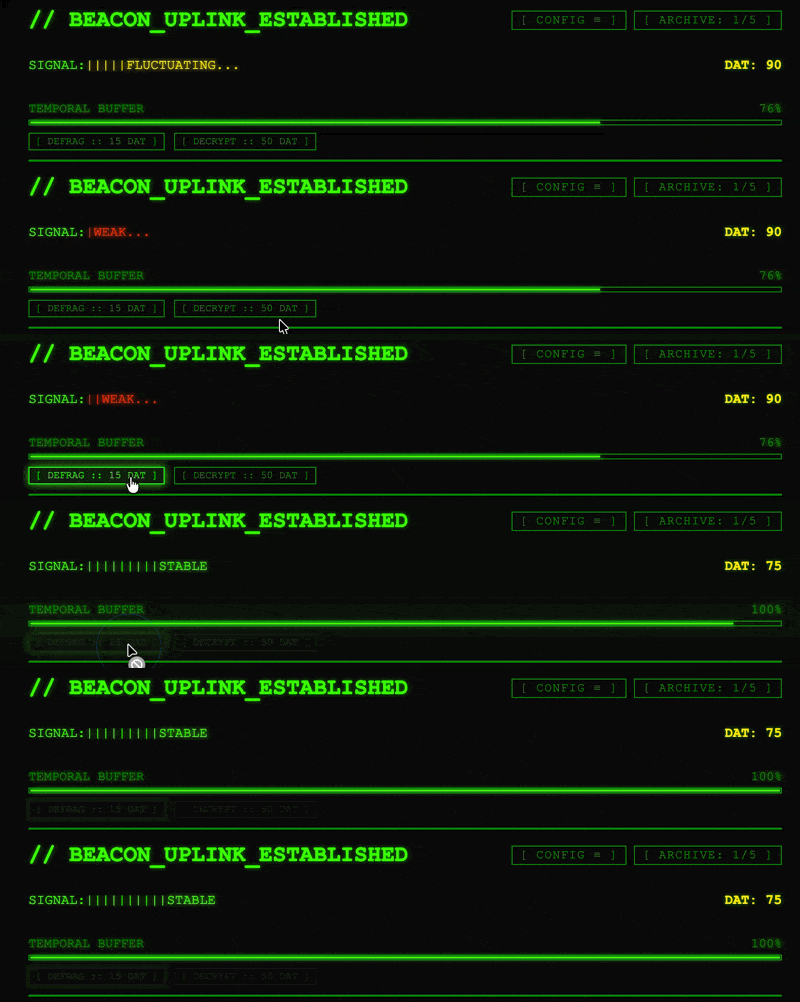
You may notice the Signal Beacon is unstable. It requires "Data Allocation Tokens" (DAT) to operate. It will force you to manage memory. It might crash. This is intentional. We cannot design the future if we expect everything to be frictionless.
Last word, future possibilities.
The beacon allows you to:
- Retrieve shards and map fragments, and store them automatically into the archive inventory;
- You find some hidden and secret information of your captured shards and fragments in the archive (or by clicking the "[ SHARD DETAILS ]" button).
- The archive enables you to merge shards and fragments to create master shards.
Also, you can customize some settings.
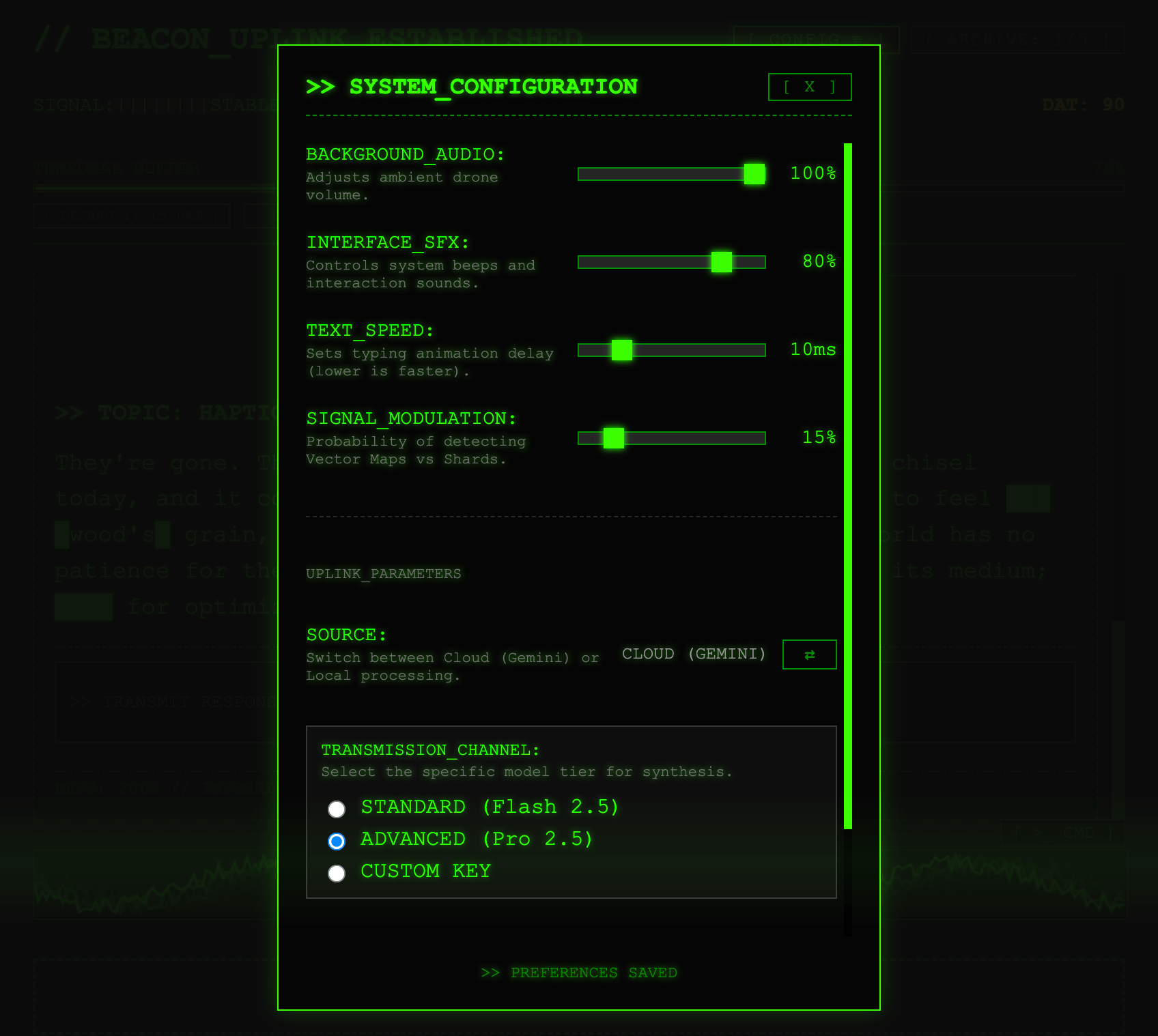
Also, also, don't hesitate to play with the interface. There are some easter eggs hidden 😉.
"We are not a single voice. We are a chorus of possible futures."
Join Track I:
 Kevin Richard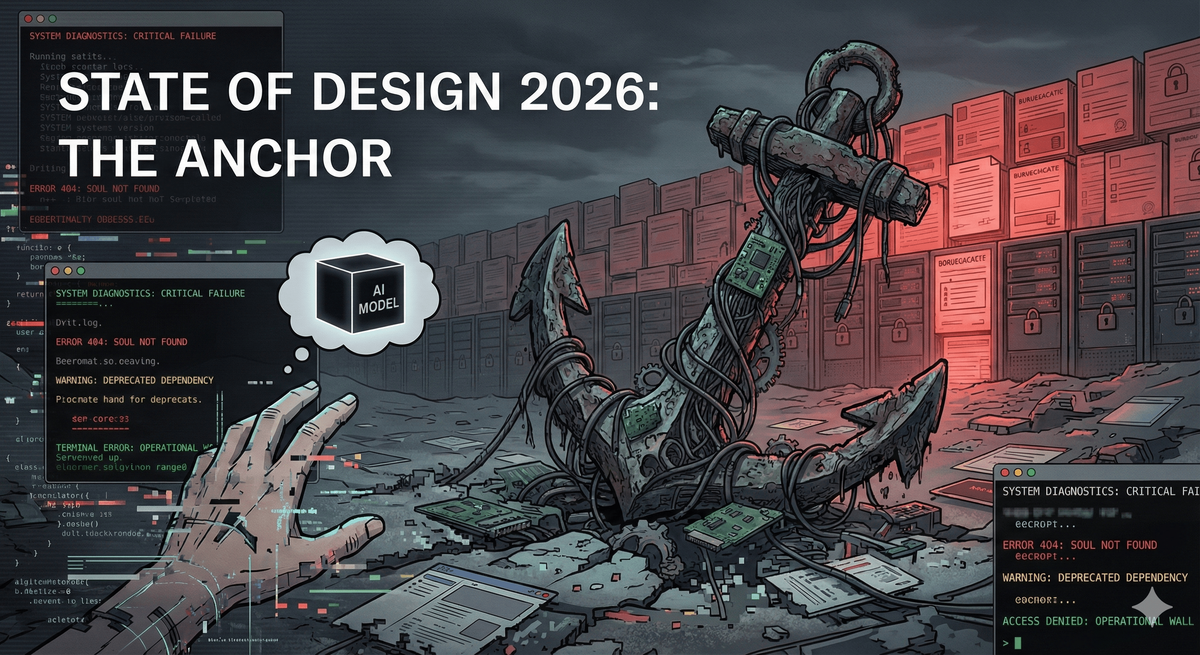
Thanks for reading!
Kevin from Design & Critical Thinking.



Discussion