

Hi, Kevin here.
With 2026 just around the corner, I thought it would be good to do a little retrospective of what happened this year, here at D&CT.
1. State of Design 2025: A collection of perspectives on the state of design

We opened up the year with our call for participation in our collective sense-making ritual, the State of Design (SoD). Between January and February, participants could submit their essays, which would then be published over a week-long event, closed by a live session.
 Kevin Richard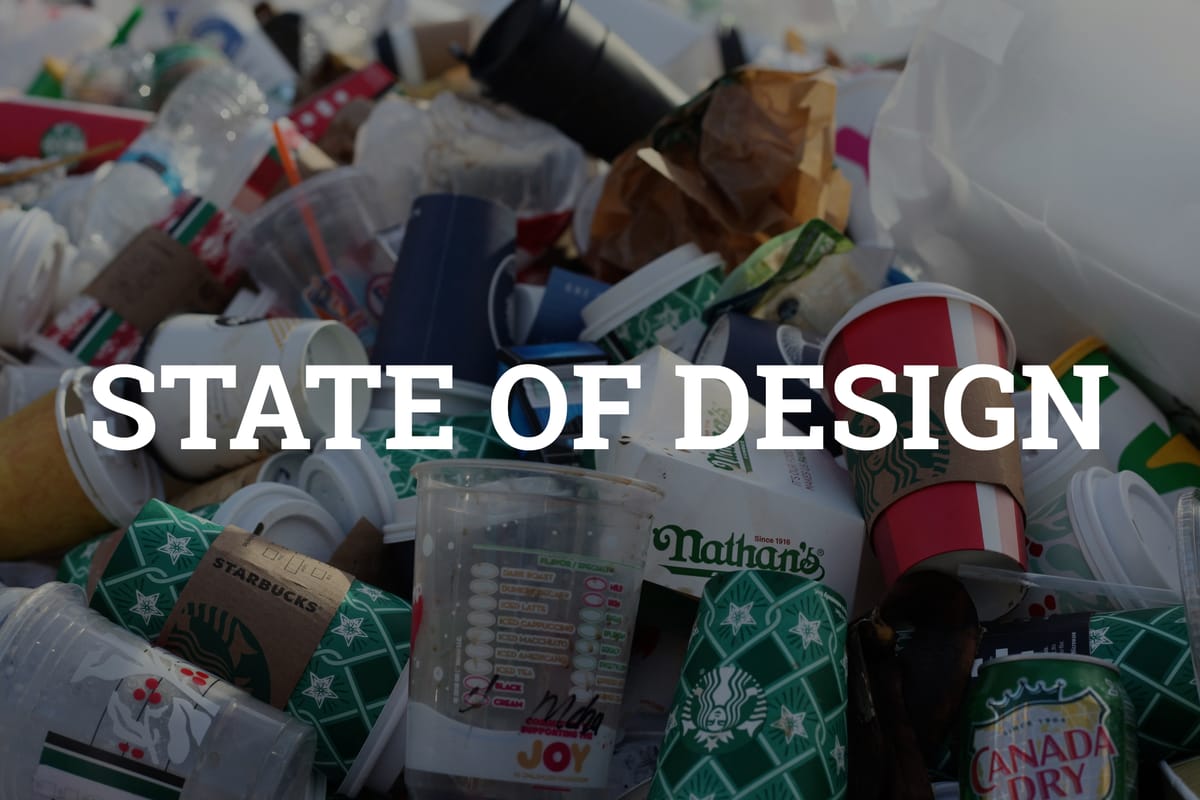
If 2024 marked an overabundance of (misguided) promises around AI and its impact on design (and designers), 2025 was marked by the need to reclaim agency, for catharsis and hope.
This turning point was highlighted in SoD25 themes:
- Topographical understanding of designerly narratives
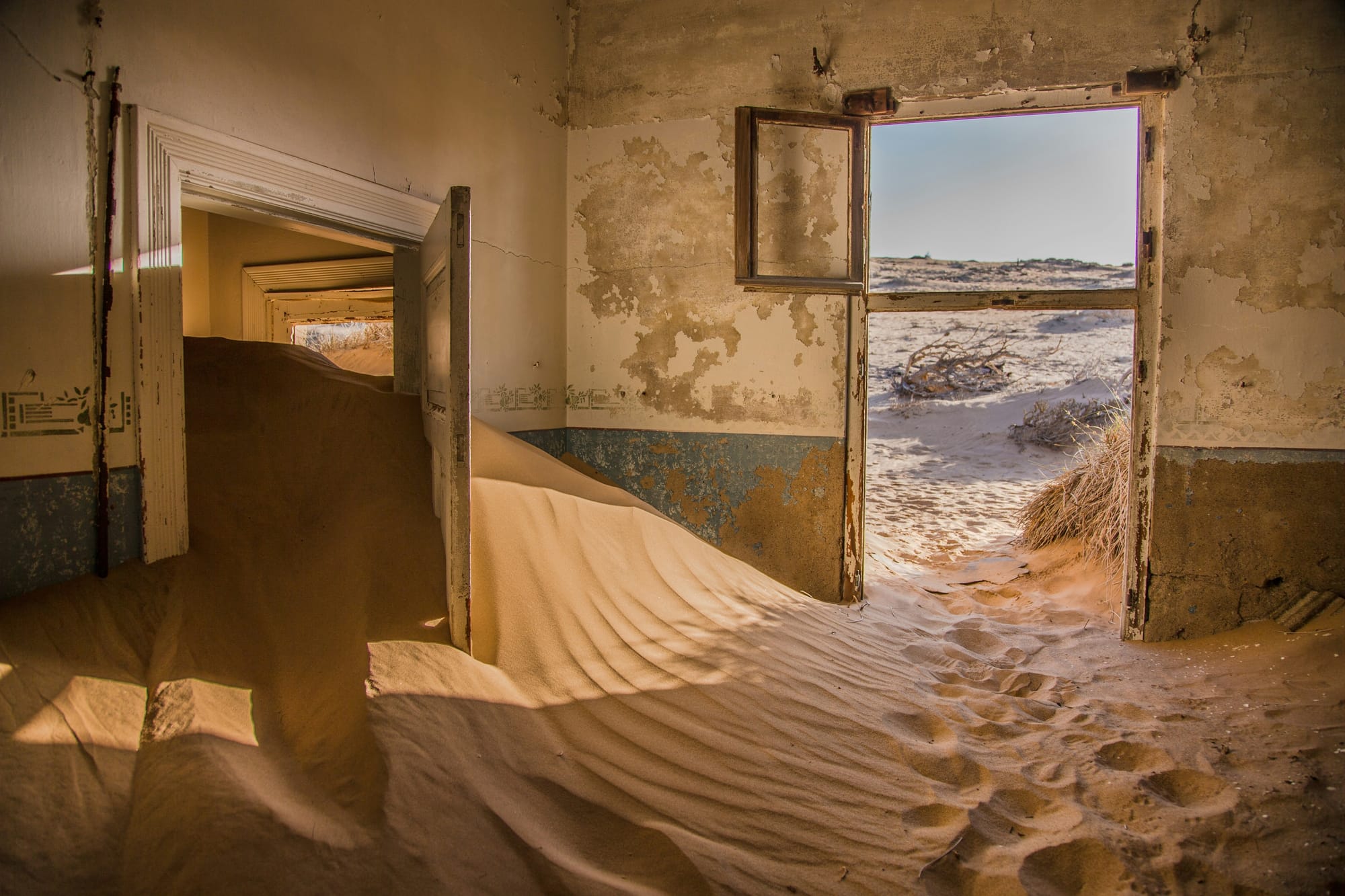
- United like sand. Defined by differences
- Catharsis and Hope
We were glad and humbled to see how many of you participated and the level of dedication and quality of the work! Among 17 participants, 7 contributions were published. Read them all here:
 Kevin Richard
2. Design beyond enclosures, part 1: Trioptic design as a mode of being
In my participation in the State of Design, I was interested in exploring why the current design practices (and practitioners) are limited in the kind of impact they can bring to the world and how to go beyond these limitations.
One important aspect is the gap between most design processes ambitions and expected impacts (improve people's lives, make meaningful technological solutions, no destruction of our world, etc.) and the means to get there—all of them involve a layered understanding of our collective social and societal experiences, while most of design is stuck in the wreck of consumer pop (pseudo) psychology of the fantasmagoric rational individual.
 Kevin Richard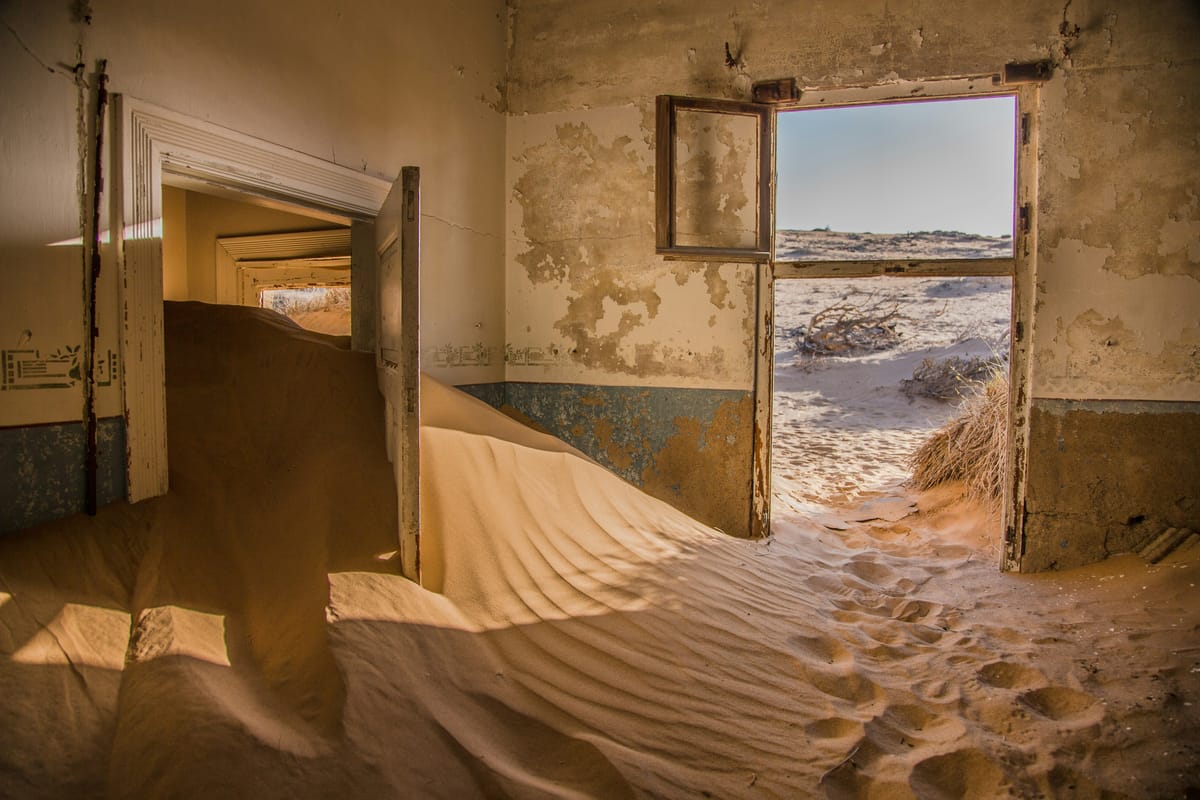
I believe this call, to bring a more social design, is more relevant than ever, but I recognize it is only a layer of the rich topography of a landscape.
That's precisely why I explored and articulated the trioptic design approach, which aims at understanding three dimensions (trio, optic) of a landscape: the social, the political, and the aesthetic.
- The social make sense of the worldviews in a landscape;
- The aesthetic articulates the mediums;
- The political enacts an intent about the future.
 Kevin Richard
3. Design beyond enclosures, part 2: Making Under Finitude
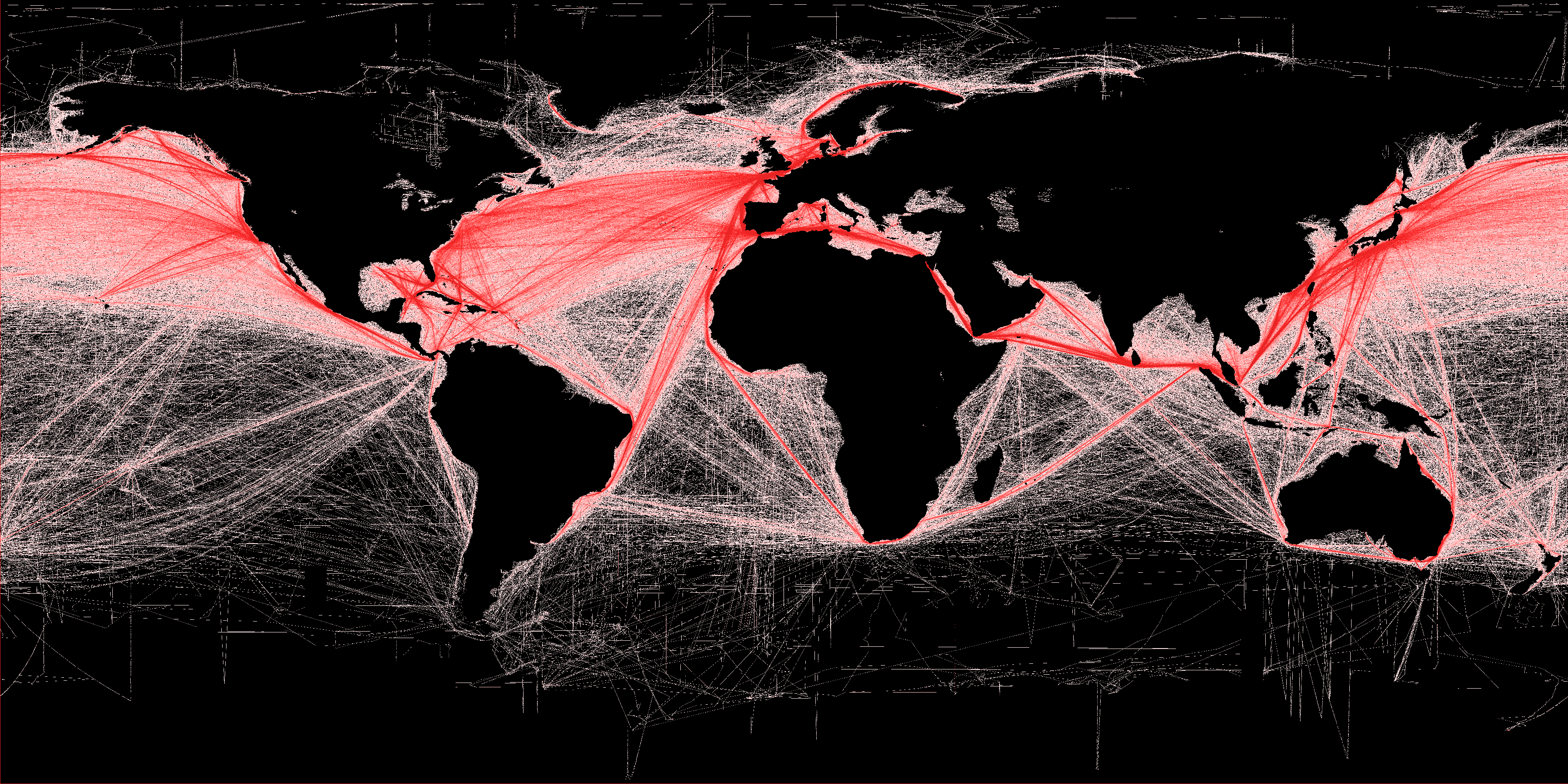
In the spirit of the two last explorations—social design and then the trioptic design—I was interested in going beyond the surface of our current societal narratives. One thing I'm certain of is that the discourses around AI, the economy, politics and policies are not only influencing each other, but also part of the same narrative object.
I stumbled upon the work of a French collective, STUP.MEDIA, which did an excellent job showing the vectors of change in the economic landscape, building from French economist Arnaud Orain.
 Kevin Richard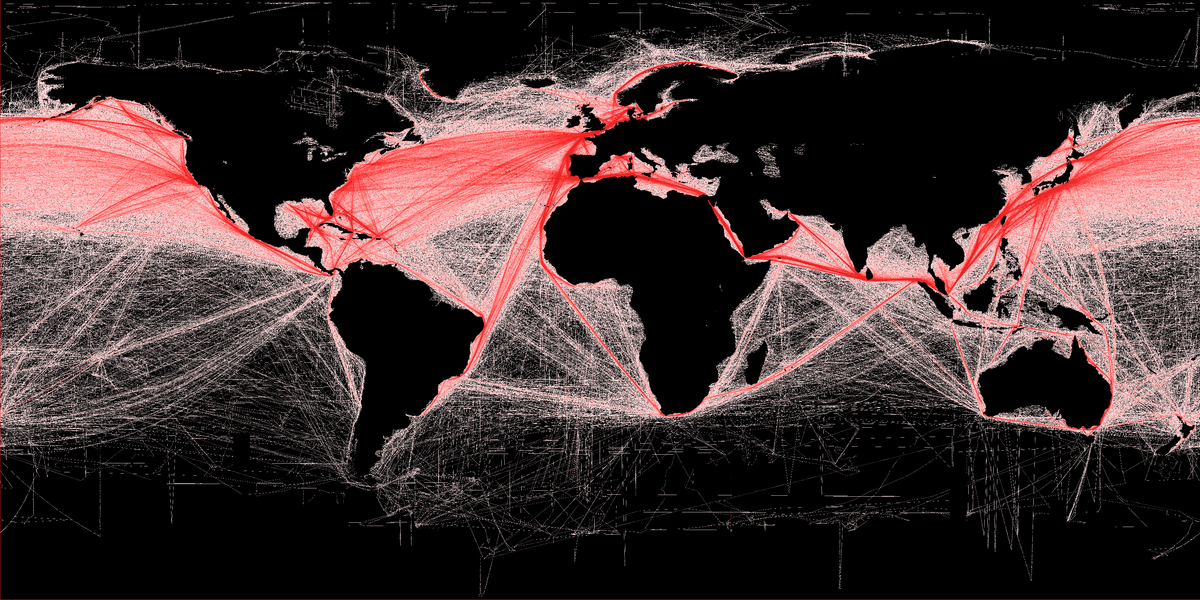
I was interested in understanding what these changing dynamics would mean for design and designers in the future, building plausible change in relationships.
On a side note, I hoped to do a better job at applying the trioptic design in a prospective setup, and by that I mean being more precise and more in-depth in each dimension—some of them are somewhat lacking. Anyway, I'm pretty happy with this piece.
4. A return to Deleuzian philosophy for designers: desires rather than needs, body without organs, and manufactured truth
Since September, I've been coming back to interesting and relevant concepts from the philosophy of Gilles Deleuze. I've been discovering and rediscovering his ideas over the past several years, which have been a very profound influence on me—probably as important as F. Valera and H. Maturana's work and the early contextualist/enactivist movement to me.
Why “User Needs” Mislead
User needs. Hard not to talk about them; it's hard not to use this term. Although they are ubiquitous in modern design practice, systematically positioned as a neutral and objective framing of what people truly and observably want to achieve, they are anything but.
 Kevin Richard
In this piece I explore how Deleuze idea of “crystallization of desires” might be a better, more nuanced approach to understanding what and why people do what they do.
Desires proliferate, split, and recombine. They are transversal, cutting across domains of life and refusing to respect disciplinary boundaries.
I combine this with the concept of "power as productive machine" from Foucault, another French philosopher, to show that what and how designers decide to focus on actually shape these desires.
When we adopt the language of user needs uncritically, we are not just responding to reality; we are participating in the production of that reality.
Monism and the End of Identity
We talked about enclosure in several pieces this year. One defining factor of enclosures is that they tend to create fixed and very well-defined objects—preformed identities that fit into predefined categories.
“A chair is meant to be sat on.”
The object embodies a preformed identity, and with it expectations that shape desires in a way that thinking about something to be sat on leads to the object.
 Kevin Richard
Here I wanted to explore a very interesting but difficult-to-grasp idea developed by Deleuze and Guattari in their seminal work “A Thousand Plateaus,” the notion of “body without organs.” This idea subverts the notion of a fixed identity and proposes to build “systems of becoming,” letting people shape the object depending on context.
I also introduce the philosophical paradigm of Monism, necessary to understand Deleuze's work.
Manufactured truth: Design as crystallized shards
Lastly, in this short update I wanted to explore the relationship between design, the truth, and the real. This led to the idea that the truth—and, to an extent, what we consider to be real—is a fabrication process.
If design creates material, virtual, or philosophical objects meant to be interacted with, then yes, design produces truths. These objects become true to the people who use them.
[...]
If we accept that design produces truth, it implies there is no higher "morally right" or "absolutely real" truth in this context. Instead, truth is a fabrication process: it is manufactured.
 Kevin Richard
Conclusion
Each exploration links back at least to one of the themes of our 2025 State of Design (SoD25):
- The concept of gaining a "topographical understanding" with the notion of social design and the trioptic design as a mode of being.
- We came back to the notion of identity formation through differences and even explored unconventional approaches (differences).
- We burnt it all, in essays like “Making under finitude,” “Designing with desires,” and “Body without Organs,” not by fear of what might come but as a means of reclaiming agency and hope.
We created a burning place for what we hold true. Truth is an ever-becoming, immanent process. We build hope through the reclaiming of agency.
We wish you all the best for 2026. Stay curious explorers, critical thinkers, and design makers.
Thanks for reading!
Kevin from Design & Critical Thinking.


Discussion